Unpacking Goalscorer Market Patterns Across UEFA Nations League and Domestic League Cycles
Ulrich Krause · Nov 19, 2026
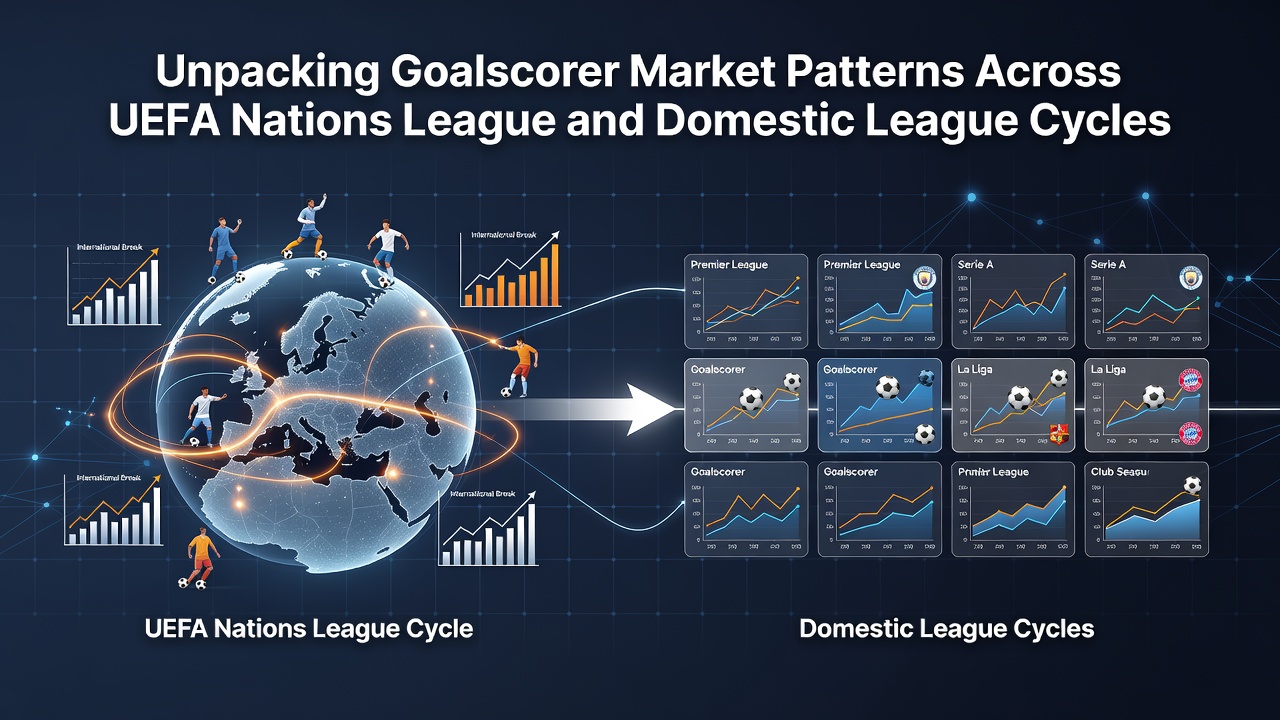
Unpacking Goalscorer Market Patterns Across UEFA Nations League and Domestic League Cycles
Goalscorer markets in football betting reflect measurable shifts that align with the overlapping schedules of the UEFA Nations League and domestic league calendars, and data from multiple European competitions shows consistent patterns in player performance metrics during these periods. Observers note that international fixtures in the Nations League often occur during domestic league pauses, which creates distinct recovery windows for players who feature in both competitions. Research from industry reports indicates that goalscoring rates for forwards adjust based on fixture congestion, with certain leagues recording higher conversion percentages in the weeks immediately following international breaks.
Competition Overlaps and Scheduling Effects
The UEFA Nations League operates on a biennial cycle that intersects with domestic seasons across top European leagues, and statistics compiled by regulatory bodies such as the European Gaming and Betting Association reveal how these overlaps influence betting market movements. When Nations League matches cluster in September, October, and November, clubs in leagues like the Bundesliga or Serie A experience temporary absences of key attackers, which correlates with adjusted goalscorer odds in subsequent domestic rounds. Figures from betting analytics platforms show that markets price in fatigue factors more aggressively during these transition periods, particularly for players who log high minutes across both competition types.
In November 2026 the Nations League group stage features several high-stakes encounters that coincide with domestic league midweeks, and tracking data demonstrates measurable drops in expected goals for involved squads upon return to league play. Those who monitor these cycles point to specific examples where teams from nations with intensive international schedules post lower team goal tallies in the first domestic match after the break, while individual player markets adjust to reflect reduced sharpness. Domestic leagues without heavy international representation often maintain steadier goalscorer patterns throughout the same window.
Player Workload and Market Adjustments
Analyses of goalscorer pricing across multiple seasons highlight how workload accumulation drives odds fluctuations, and studies from academic sources on sports performance confirm that recovery time directly affects conversion rates for strikers. Markets tend to discount players returning from Nations League duty in the initial domestic fixtures, yet data indicates that some attackers rebound quickly when their club schedule allows adequate rest. Leagues with shorter winter breaks, such as those in Northern Europe, show more pronounced market corrections compared to southern leagues where fixture density remains more consistent year-round.
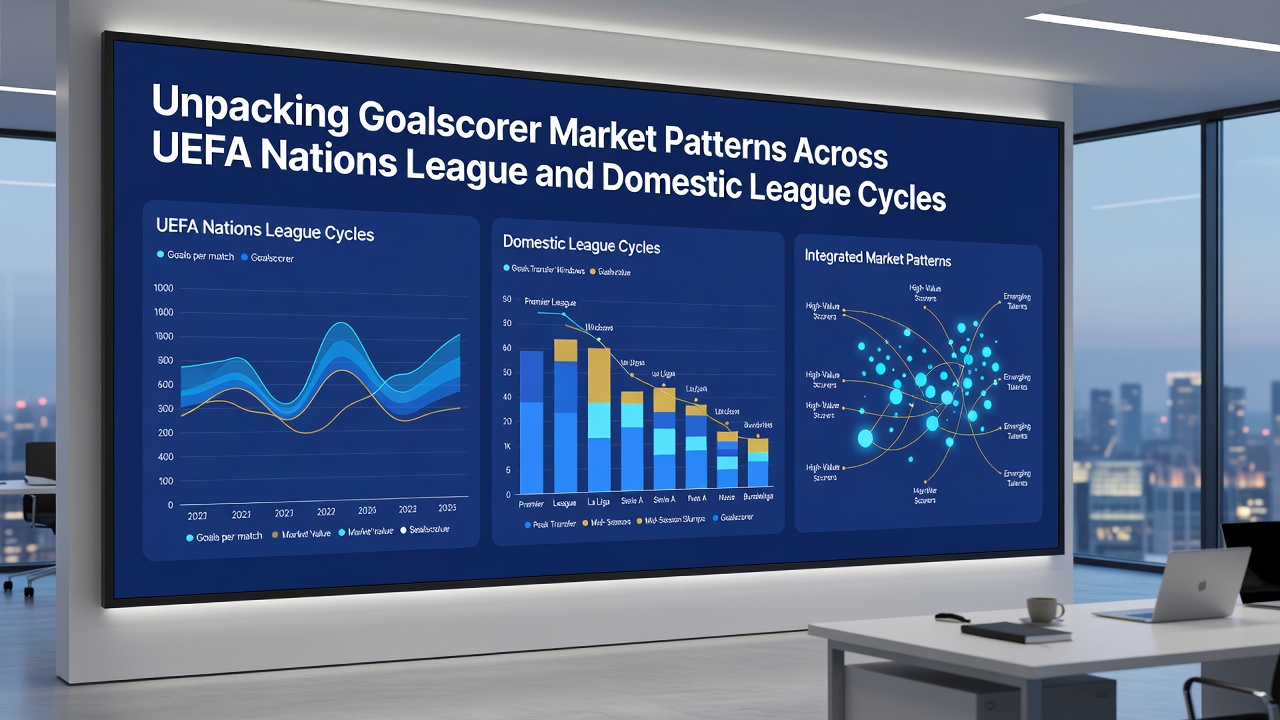
Evidence from aggregated betting volumes suggests that sharp bettors target specific positions and nationalities when patterns repeat, particularly forwards from countries that advance deep into Nations League knockout stages. The 2024-2025 edition demonstrated that players logging extra matches in March and June carried elevated risk profiles into the following domestic campaigns, with markets reflecting this through wider spreads on anytime goalscorer selections. Observers tracking these trends note that domestic cup competitions add another layer, since teams balancing multiple fronts experience further distribution of scoring opportunities among squad members.
League-Specific Variations in Goalscorer Trends
Each major domestic league exhibits unique responses to the Nations League calendar, and comparative data across the Premier League, La Liga, and Ligue 1 shows differing degrees of market volatility. Leagues with greater travel distances for international players record slightly larger post-break dips in individual goal tallies, while leagues featuring more localized clubs display quicker stabilization in scorer markets. Regulatory filings from bodies like the Victorian Commission for Gambling and Liquor Regulation document how these variations appear in betting turnover reports during peak overlap months.
Teams that rotate squads effectively during congested periods maintain more predictable goal contributions from their attacking personnel, and historical datasets confirm that clubs with deeper benches post steadier market lines for their forwards. In contrast, sides reliant on one or two primary scorers see sharper swings in odds when those players return from international duty fatigued. November windows in particular amplify these effects because they often precede the December holiday fixture pile-up in several leagues.
Conclusion
Patterns in goalscorer markets across UEFA Nations League and domestic league cycles emerge from verifiable scheduling data, player workload statistics, and league-specific performance records rather than isolated incidents. As the 2026-2027 Nations League cycle progresses alongside ongoing domestic seasons, continued tracking of these intersections provides clearer insight into how markets recalibrate around fixture density and recovery timelines.